What The Work Involves
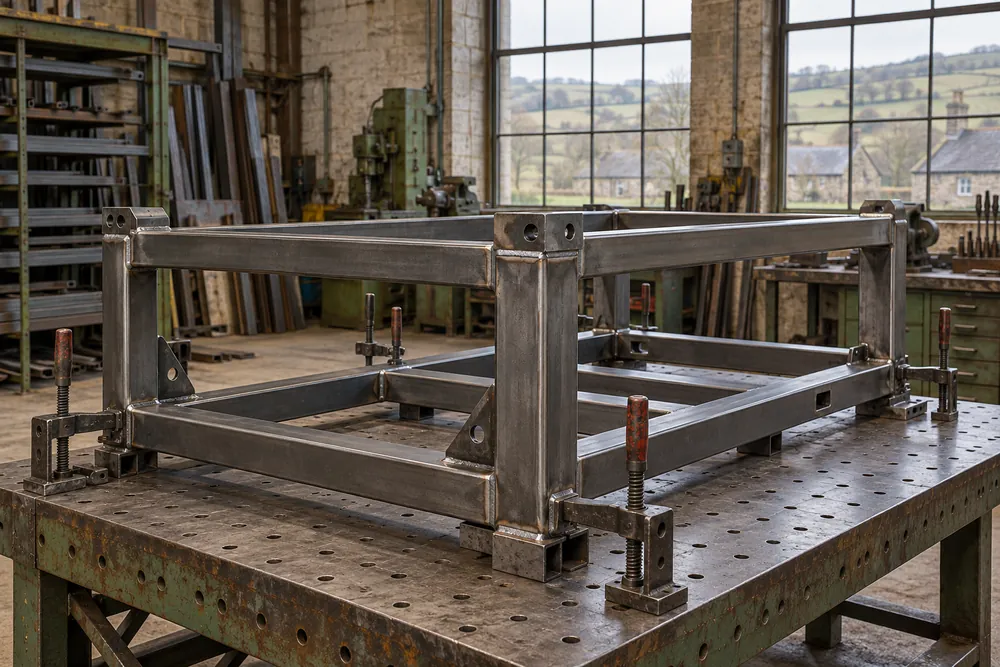
Metal fabrication combines cutting, forming, drilling and joining to produce components or assemblies for a specific job. Typical commercial requirements include equipment frames, mounting plates, support brackets and protective metalwork. The correct method depends on the material, geometry and way the part will be used.
We take enquiries from facilities managers, engineering buyers and contractors who need a clear fabrication scope. Some jobs can be made directly from a complete drawing. Others need a survey, a sample or design development before the dimensions and interfaces are settled.
Mild steel, stainless steel and aluminium behave differently during fabrication and in service. State the environment, expected loads and cleaning regime rather than asking only for a metal part of a particular size. Material selection should address corrosion, contact with other materials and the finish required.
When You Need This Service
Metal fabrication is useful when a standard component will not fit the equipment, opening or support arrangement. A replacement bracket may need an offset to clear a service run, while a new frame may need removable panels for maintenance. Explain the practical problem so the design can address the cause rather than copy an unsuitable detail.
For machinery-related work, identify moving parts, isolation arrangements and safe access. A replacement guard or support must be reviewed in the context of the machine. Altering an assembly can affect clearances and safety functions even when the fabricated item appears simple.
Details Worth Resolving Early
The important dimensions are often the interfaces rather than the outside envelope. Give hole centres, mating faces, operating clearances and the datum from which each measurement is taken. Include the tolerance that matters for assembly instead of applying unnecessarily tight tolerances to every edge.
Decide which surfaces need a cosmetic finish and which remain hidden. Grinding every weld flush may add cost or conflict with the design intent. Agree edge treatment, weld appearance and coating preparation in the drawing notes so the finished item can be judged against an objective requirement.
Standards And Project Responsibilities
For metalwork incorporated into a structure, check whether BS EN 1090 requirements apply to the component and intended use. General fabrication is not automatically structural steelwork. Where loads or stability are involved, the responsible designer must define the material, connections and acceptance requirements.
Work equipment modifications should be considered against the Provision and Use of Work Equipment Regulations 1998, known as PUWER. The equipment owner needs to assess suitability and safe use. Making a replacement component does not by itself establish that the complete machine is compliant.
Welding and surface preparation also require appropriate health controls. HSE guidance places welding fume within COSHH and identifies local exhaust ventilation and other controls. For work at your site, agree isolation, permits, exclusion areas and any restrictions on hot work before attendance is booked.
How The Work Is Planned
Define The Function
Describe what the item supports, protects or connects. Send the site details, material preference, quantities and any drawings or existing-part references.
Set The Interfaces
Check critical dimensions, loads, fixing details and maintenance access. Identify any design approval needed before a workshop drawing can be released.
Make The Assembly
Agree the cutting, forming and joining approach. Dimensions and fit should be checked against the approved drawing rather than a changing verbal brief.
Check And Finish
Review the fabricated item, finish and delivery arrangement. For repeat parts, keep the approved revision and acceptance details with the order.
What Goes Into A Steelwork Quote
Metal fabrication prices reflect material type, thickness, cutting time, bends, weld length and the amount of set-up needed. A one-off component carries preparation time that can be shared across a repeat batch. Include quantities and likely future demand when requesting a quotation.
Finish and installation can change the scope substantially. Powder coating needs an agreed colour and preparation, while an outdoor assembly may need a different protective treatment. Compare quotations on the same drawing revision, material specification, finish and delivery basis rather than the final figure alone.
Your Questions Answered
Can You Work From An Existing Metal Part?
An existing metal part can help define a replacement, but it does not confirm the original material, loading or design suitability. Provide photographs, dimensions and the reason for replacement. Where failure or wear is involved, review the cause before copying the component and identify any engineering approval required for the new detail.
Which Metal Should I Specify?
The metal specification depends on strength, corrosion exposure, weight, joining method and the appearance needed. Mild steel can suit coated industrial assemblies, while stainless steel or aluminium may fit other conditions. Describe the service environment and any hygiene or chemical exposure so the material can be selected against the actual duty.